Please ensure Javascript is enabled for purposes of website accessibility Skip to main content

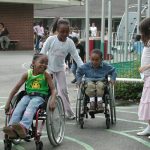
Children playing together, some in wheelchairs, some notAlliance for Inclusive Education’s submission to the Women and Equalities Committee inquiry: Unequal impact? Coronavirus, disability and access to services.

For more information about the inquiry: Read the call for evidence

Contents

Download pdf: Written evidence submitted by The Alliance for Inclusive Education (CVD0025)

Introduction

The Alliance for Inclusive Education (ALLFIE) is the only national organisation led by disabled people working on educational issues and, in particular, working to promote the rights of disabled students (including those with SEND) to be included in mainstream education, as set out in Article 24 of the UN’s Convention on the Rights of Persons with Disabilities (UNCRPD).[i]

ALLFIE uses the term ‘disabled children and young people’ because many will fall under the definition of disabled persons in the Equality Act 2010.[ii] ALLFIE welcomes the sub-inquiry to comprehensively examine potential ways of easing some of the problems disabled people are facing when they need to access essential services, education, and health and care services and how the Government could improve its existing communications and consultations with disabled people about guidance and policies that substantially affect their daily lives.

Back to contents

Rationale for Submission

Our submission to this consultation is based on evidence gathered from ALLFIE’s research, reports, and responses from our networks. While we are able to obtain homogenous demographic data on single identities, we have found that data for measuring demographics based on disability overlapping with race, gender, class and other intersectionality is very limited in the UK. ALLFIE is committed to ensuring racial and intersectional equality remains firmly on the agenda.[iii]

We would like to provide oral evidence to the committee as well.

Back to contents

Disabled People and the Covid-19 Pandemic

The evidence has revealed that many disabled people living in institutionalised settings, inaccessible housing, on poor estates or those dependent on public services and social security benefits are at significant risk of contracting and dying from Covid-19. For disabled people as a whole, the risk of their health and well-being deteriorating is higher than their non-disabled peers. Disabled people are less likely than their non-disabled peers to be tested for Covid-19, diagnosed with Covid-19, be offered life-saving treatment for Covid-19 and access specific health services. Furthermore, disabled people are more likely than their non-disabled counterparts to experience social isolation and poor housing that all have an impact upon one’s health.[iv]

Disabled people are the only group of people with a protected characteristic that have had their rights waived as a result of the Covid-19 Act 2020[v]; this is wholly unacceptable. The Covid-19 Act has allowed public bodies to put aside their duties to provide disabled people with the support they require to live and access essential public services under the Care Act 2014[vi], Children and Families Act 2014[vii] and Mental Health Act 2007.[viii]

The Government’s Covid-19 policies such as the lockdown guidance and the easements of the Care Act and Children and Families Act have been challenged by disabled people and their allies, leading relevant departments to review their education, health and care, and lockdown policies which clearly discriminate against disabled people.

Back to contents

SEND and Intersectionality

The Department for Education’s national SEND statistics highlighted the profile of disabled pupils and students in England.[ix]

White disabled boys and men are more likely than any other group of children to be diagnosed with SEN or a disability that will not only allow them to get an EHCP but also access SEND provision and any reasonable adjustments. The diagnostic criteria for various conditions such as autism, ADHD and mental health conditions have not discriminated between boys and girls or between men and women. The diagnostic criteria used reflect males’ cognitive, emotional and physical patterns of behaviour and performance. As a result, many girls and women do not receive the necessary support to flourish in mainstream education. For instance, disabled girls with autism are less likely than their male counterparts to receive appropriate SEND provision within their educational setting.[x]

Some forms of SEND are on a biological basis. For example, sensory and physical impairments arising from medical conditions are less reliant on education practitioners’ subjective judgement on whether a person has a specific, alternative or no SEND diagnosis. However, learning difficulties and social, emotional and mental health diagnoses are culturally constructed; there is a reliance on how pupils’ behaviour/performance is being interpreted in terms of the expected patterns or norms by education practitioners. Black, Asian and minority ethnic (BAME) pupils, who usually come from financially disadvantaged backgrounds, are more likely to be diagnosed with social, emotional and mental health needs (SEMH) or moderate learning difficulties (MLD); an inappropriate interpretation of ethnic and cultural differences including teacher racism, low expectations and a failure of schools to provide quality instruction or effective classroom management in comparison to the white majority. BAME pupils are less likely than their white peers to be diagnosed with neurological conditions such as ADHD and autism.[xi] Similarly to girls and women, pupils and students from BAME communities are not receiving the appropriate SEND provision as required and the recognition of racism within the education system needs to be addressed.

We wanted to acknowledge that SEND and intersectionality is vital in understanding how the Covid-19 pandemic is affecting disabled students with more than one identity experience of home education and when education institutions reopen from September 2020.

ALLFIE is highly concerned with the Government awarding such a low priority to the lack of access to mainstream education, health and social care support that disabled students are experiencing as a result of the Children and Families Act s(42) easements. This is evident from the Government’s failure to undertake and publish an equality impact assessment, required under the Equality Act’s Public Sector Equality Duty. We are somewhat disappointed that there has been no on-going equality impact assessment of the negative impact of the Children and Families Act’s reforms upon disabled students and their families when periodically reviewing the easements. This is now subject to a judicial review case. Similarly, Disabled Students UK reported that various universities have not undertaken any form of equality impact assessment to understand the impact of moving education from onsite to online. We must determine if this is affecting certain groups more than others. Without such data, improvement is impossible.

Whilst schools will be expected to welcome all pupils at the beginning of the autumn term starting in September, we expect families with disabled children at high risk of either contracting or dying from Covid-19 to be shielded at home without any real access to blended learning. As such, we would expect that without urgent planning taking place over the coming months that many disabled pupils will find their education continuing to be adversely affected and widening inequality between themselves and their peer group, which is expected to grow exponentially if they are reliant on remote education.

Back to contents

Remote Education and the Law

Education institutions are increasingly using remote education to discharge their legal responsibilities in arranging education for their pupils; as a result, pupils and students will be required to have an appropriate online learning environment. In 2019, the proportion of recent internet users was lower for disabled adults (78%) compared with those who were not disabled (95%). Unfortunately, there is no comparable data between the percentages of disabled and non-disabled children who are internet users. Consequently, the inequality between disabled and non-disabled internet users participating in remote education and alternative curriculums remains unexposed and requires further investigation.

All publicly funded schools, colleges and universities are required to comply with the Public Sector Website Accessibility Regulations and the Web Content Accessibility Guidance (WCAG)[xii] 2.1 standards by September 2020 for websites and June 2021 for mobile apps. The regulations cover both administrative and online learning platforms.

The Equality Act’s anticipatory duty requires education providers to anticipate disabled students’ enrolment and therefore should be planning ahead by incorporating accessibility features into the structure and delivery of online learning platforms. The Equality Act’s reasonable adjustments require education providers to differentiate the curriculum for disabled students with learning difficulties. Similarly, replacing in-person therapy with online therapy and other education intervention sessions are alternatives that should be made available for disabled pupils under the Equality Act’s reasonable adjustment duties.

The Equality Act 2010’s School Accessibility Plans must include the identification of how schools will increase curriculum participation by disabled pupils and improve the accessibility to information for those who are disabled. A review of the plans should include how disabled children are able to access the curriculum through blended learning.

ALLFIE has surveyed its members and invited Facebook posts to enlist disabled pupils, students, parents, and education professionals’ experiences of the provision of education services throughout the Covid-19 pandemic.  We have found that since schools and colleges closed that:

The NMHP undertook a national survey of disabled students’ experiences of higher education during covid-19 pandemic.[xiii] They discovered that:

What these statistics highlight is the significant role that human contact and the accessibility of appropriate learning environments, as well as online learning platforms play in ensuring that disabled students do not experience inequality of access to mainstream education. ALLFIE’s research has identified the following barriers: ownership of equipment, curriculum accessibility, curriculum differentiation, in person support, and compliance with relevant legislation.

Back to contents

Ownership of Equipment

The Family Fund has discovered that online devices were the most important thing that would help families through the lockdown period.[xiv] This suggests that in many families, many of the parents will be disabled themselves and do not have online devices that are essential for engaging with disabled children’s remote education. For non-disabled students, the online devices used both within their educational settings and at home are very likely to be of a similar set-up. However, this is not going to be the case for disabled students, as reported by Disabled Students UK[xv]:

 “A large proportion of disabled students report to us that they have not been given the same tools, software or adapted furniture which they had used and relied on at university.”

Similarly, many disabled children are prevented from accessing remote education because they do not own the appropriate ICT equipment and software required to access remote learning. A specialist teacher highlights:

“Many of [our] learners are without the equipment needed to access Microsoft Teams which is where [the] school is currently setting work. We’ve got 400 laptops in the ICT suite sitting there idle. Let’s give them to the children. Let’s give them whatever they need so they can access learning.” (Specialist Teacher ALLFIE Professional Survey April 2020)

Many disabled students can only access remote learning and continue with their education if they are able to use the computer facilities in their school, college and university campuses. Due to lockdown, many disabled students have not been able to continue with their learning at home.

The Government accepted responsibility by providing additional funding to purchase online devices and internet connections for children from financially disadvantaged backgrounds to avoid increasing the educational inequality between pupils with and without access to remote education and a potential legal challenge. Whilst the Government has provided £10 million for the Family Fund charitable trust to distribute to families with disabled children needing help with purchasing equipment during the Covid-19 pandemic, there is nevertheless no guarantee that every disabled child needing online devices and internet access will receive the grant.

Back to contents

Curriculum Accessibility

Education institutions and remote education providers, whilst they have put thought into how to upload readily available lessons for the majority of pupils, the accessibility of curriculum materials for disabled students has not been factored into the online platforms. The accessibility of online learning is highly variable from one education institution to another. A few education institutions, however, are actively working with their disabled pupils to access online learning opportunities.

“Online support and contact newsletters, with additional resources and ideas. Much more practical ideas for learning, and Occupational Therapists, Speech and Language Therapists made Mental Health well-being has been at the forefront of the thinking of our school.” (ALLFIE Parents Survey May 2020)

“Work is set online but I am in almost daily contact with the Teacher of the Deaf via email to discuss any issues and to share information. We have a means of video contact with Communication Support staff for planned contact time using BSL. Work is set online and accessed daily via an app. Work is not equivalent to a full day in school but I feel it is an appropriate amount for the current situation. We can make video calls to specialist TOD and Communication Support Workers as needed.” (ALLFIE Parents Survey May 2020)

However, these good examples are the exception rather than the rule. ALLFIE and Disabled Students UK have found that online platforms are not always inclusive of disabled students. These are some of the barriers that disabled students have identified in accessing the curriculum, albeit only a small selection.

Back to contents

Curriculum Differentiation

Providing the standard curriculum in a variety of formats will enable many disabled students with physical and sensory impairments to participate in remote education on par with their non-disabled peers. However, accessibility alone will not be sufficient for remote education to be inclusive of disabled students requiring curriculum differentiation where the course content needs to be varied in terms of the level of understanding and types of learning activities. ALLFIE’s evidence found that many online platforms and individual education providers have given insufficient thought to differentiating the curriculum for disabled students unable to access the standard lessons and lectures uploaded onto the learning platforms.

The Department for Education have launched the Oak National Academy which is offering 180 structured weekly video lessons for children in a direct response to the coronavirus crisis in the weeks of lockdown.[xvi] Apart from the lack of curriculum accessibility, the curriculum has not been differentiated for disabled students. One of the core problems is that all remote education ought to be inclusive from the start, factoring in the needs of children with SEND as it was developed, rather than being bolted on at the end as an afterthought.

ALLFIE has not found any evidence of education providers consistently using universal standards such as WCAG so that disabled students can expect to access remote education. Indeed, disabled students and their families informed us about the barriers they experienced. Now that schools and other education institutions will be moving to blended learning, a combination of on-site and remote education for the 2020-21 academic year, this provides a good opportunity for the Department for Education to raise the accessibility standards of anyone providing online education. The Department for Education is in the process of setting up the online schools accreditation scheme, which currently does not require providers to include accessibility features in their remote education offer, as required under the Equality Act and Public Sector Website Accessibility Regulations.

Back to contents

In-Person Support Services

In-person support services are vital for promoting equality of access and opportunity for disabled students. They cover everything from specialist teaching, communication facilitation, therapists, learning mentoring, reviewing essay work, providing personal care, and mental health support, to name but a few. Without support, many disabled students have not been able to access mainstream education on par with their non-disabled peers. For many disabled students, the Covid-19 pandemic has resulted in the majority of disabled children going without any in-person education support to facilitate learning. Given the upheaval of moving from school, college and university to home education, the need for support is greater than ever before.

“Disabled students’ need for support has increased during the pandemic, while disabled students’ support from DSA and universities has decreased.” (Disabled Students UK 2020)

Disabled students, because of their impairments and health conditions, may not be able to participate in their learning without accessing therapeutic interventions, the use of learning mentors, specialist teaching, and communication facilitation. For instance, without physiotherapy and occupational therapy, for many disabled students their physical health deteriorates.

“We now have no respite and have no break from 24/7 care needs, plus we are expected to home school two children, including modifying home-schooling work for a visually impaired child. We now have no therapy intervention at all. This has been detrimental to my SEN child’s progress and health.” (Disabled Children’s Partnership June 2020)

As a result of the Children and Families Act’s s(42) easement, many disabled students are without education support. Whilst the Covid-19 guidance suggested therapy sessions ought to be provided via Zoom and other virtual platforms, we found that local authorities had made no effort to secure SEND provision for disabled students with education, health and care plans (EHCPs) once the Secretary of State for Education gave notification at the beginning of May. Similarly, disabled students are reporting difficulties in arranging and accessing in-person support under the Equality Act’s reasonable adjustments still in place for all education institutions.

We found that various therapists were deployed to work in the NHS performing health care and administrative roles, which is unacceptable as these roles could have been filled by Health and Social Care and Business Studies students. Disabled students lack of in-person support has led to many of them being denied access to mainstream education.

Back to contents

Compliance with the Law

Our research highlights the urgent need for education institutions and online education providers to comply with their legal duties in providing an accessible and inclusive curriculum both on-site and remotely. Whilst higher and further education institutions providing distance learning courses should have developed the necessary skills and knowledge to make their online platforms inclusive of disabled students, this may not have been the case for schools.  We were very disappointed that the Department for Education failed in demonstrating good practice by allowing the Oak National Academy to become a national online school provider without any requirement to meet any accessibility standards set out in law. As the Government is looking to develop an online schools accreditation scheme, we were also highly disappointed that the Department of Education failed to include universal accessibility standards.

Back to contents

School Closures and Returning to Education

ALLFIE’s survey focused on the immediate situation that disabled school and university students and their families are experiencing whilst undertaking home education during lockdown. We are currently seeking funds to carry out more extended research into what lessons can be learnt from the experiences of disabled young people and their families regarding home education and the support they need in making a smooth transition back to school, college, and university. Whilst our research is not extensive, families have repeatedly reported a lack of engagement and planning between local authorities and education institutions.

Back to contents

Conclusions

Our findings highlight the extent of ableism in our education system; it is fuelling the widening gap of education progress being made between disabled and non-disabled students. The fundamental shift from onsite to remote education has meant that many disabled people are not getting the support they require to access mainstream education. If local authorities and education institutions are not providing SEND provision, disability-related reasonable adjustments, or offering a suitable differentiated curriculum using a range of learning methods, then disabled students cannot engage in mainstream education alongside their non-disabled peers within a home or an educational setting. Even with support, remote education will not be suitable for all disabled students, but education institutions have not offered any alternative curriculum.

Our survey found that many disabled children without EHCPs are no longer receiving the level, quality, or quantity of special education provision they require despite SEND staff remaining on the school payroll.

To date, ALLFIE’s evidence indicates that the Coronavirus Act’s changes to SEND legislation will no doubt lead to the greater segregation and exclusion of disabled students from mainstream education.

“For far too long, disabled people have been denied equal rights to mainstream education. No other group has been systematically excluded from mainstream education because of their personal characteristics, i.e., their impairment.” (ALLFIE Education Professional Survey April 2020)

Disabled students’ need for support has increased during the pandemic, while disabled students’ support from DSA and universities has decreased.

“We can only conclude that the Department for Education has failed in their responsibility to give disabled students equal access to education during the first part of the pandemic response, and hope that they learn from this during the second part.” (Disabled Students UK 2020)

ALLFIE is concerned that the longer disabled students are not participating in mainstream education in a meaningful manner, the wider the potential educational, life changes, and achievement gap will be between disabled and non-disabled people.

Back to contents

What needs to happen in the short term?

Back to contents

Post Covid-19 Pandemic: Long Term

What the Covid-19 pandemic has highlighted is that the Government must take urgent steps to strengthen the legal framework that supports disabled students in participating in mainstream education both within mainstream educational settings and from home due to health and impairment-related issues.

ALLFIE’s inclusive education manifesto consists of six demands; these would move us from the present situation to a fully inclusive education system, as recommended by the UNCRPD’s Monitoring Committee. We believe disabled people have the right to:

See here for a full copy of our manifesto.

As the UNCRPD’s Monitoring Committee has recommended, the Government should work with organisations of disabled people like ALLFIE to develop a fully inclusive education system. The Government must fulfil its Article 24 obligations around inclusive education by working with ALLFIE.

We would also welcome the opportunity to provide an oral submission.

Simone Aspis | Michelle Daley

July 2020

Back to contents

References

[i] United Nations. (2020). Convention on the Rights of Persons with Disabilities – Articles. Retrieved from https://www.un.org/development/desa/disabilities/convention-on-the-rights-of-persons-with-disabilities/convention-on-the-rights-of-persons-with-disabilities-2.html

[ii] Equality Act. (2010). Retrieved from https://www.legislation.gov.uk/ukpga/2010/15/contents

[iii] The Alliance for Inclusive Education. (2020). Inclusion Matters to ALLFIE: In Solidarity with Black Lives Matter Movement. Retrieved from https://pedantic-shannon.91-238-163-161.plesk.page/news/briefing/inclusion-matters-to-allfie-in-solidarity-with-black-lives-matter-movement/

[iv] Inclusion London. (2020). Abandoned, forgotten and ignored. Retrieved from https://www.inclusionlondon.org.uk/wp-content/uploads/2020/06/Abandoned-Forgotten-and-Ignored-Final-1.pdf

[v] Coronavirus Act. (2020). Retrieved from http://www.legislation.gov.uk/ukpga/2020/7/contents/enacted

[vi] Care Act. (2014). Retrieved from http://www.legislation.gov.uk/ukpga/2014/23/contents

[vii] Children and Families Act. (2014). Retrieved from http://www.legislation.gov.uk/ukpga/2014/6/contents

[viii] Mental Health Act. (2007). Retrieved from http://www.legislation.gov.uk/ukpga/2007/12/contents

[ix] Department for Education. (2020). Special educational needs in England. Retrieved from https://explore-education-statistics.service.gov.uk/find-statistics/special-educational-needs-in-england

[x] WebMD. (2015). Autism Behaviors May Differ in Boys and Girls. Retrieved from https://www.webmd.com/brain/autism/news/20150904/autism-behaviors-may-differ-in-boys-and-girls

[xi] Department of Education, University of Oxford. (2018). Ethnic disproportionality in the identification of Special Educational Needs (SEN) in England: Extent, causes and consequences. Retrieved from http://www.education.ox.ac.uk/wp-content/uploads/2018/08/Executive-Summary_2018-12-20.pdf

[xii] The Public Sector Bodies (Websites and Mobile Applications) (No. 2) Accessibility Regulations. (2018). Retrieved from http://www.legislation.gov.uk/uksi/2018/952/made

[xiii] Association of NMH Providers. (2020). Your DSA Support and Covid-19 – Student and Provider Survey. Retrieved from https://nmhproviders.co.uk/wp-content/uploads/2020/05/Your-DSA-support-and-Covid-19-Student-and-NMHP-Survey-Final-Report-v-4-0.pdf

[xiv] Family Fund. (2020). £10 million to help disabled or seriously ill children in England during Coronavirus. Retrieved from https://www.familyfund.org.uk/news/10-million-to-help-disabled-or-seriously-ill-children-in-england-during-coronavirus

[xv] Disabled Students UK. (2020). Impact of the Pandemic on Disabled Students and Recommended Measures. Retrieved from https://docs.google.com/document/d/1wLiwu9z8zeK_-T47t1BcjpBtU91Q6ltqS6kMLDLT40c/edit#

[xvi] MSN. (2020). Oak National Academy: how to access online school lessons for home learning during the coronavirus lockdown. Retrieved from https://www.msn.com/en-gb/news/uknews/oak-national-academy-how-to-access-online-school-lessons-for-home-learning-during-the-coronavirus-lockdown/ar-BB12V5Qt
Back to contents

Black people and People of Colour:

We define Black people in the context of our work and this includes People of Colour as an additional “non-white group’ to ensure identity representation.

Social Model of Disability

Disabled people are seen as being disabled not by their impairments (such as visible and invisible) but by society’s failure to take their needs into account. Being Disabled is part of the normal spectrum of human life: society must expect Disabled people to be there and include us in all aspects of life.

Read more about the Social Model of Disability on ALLFIE’s website.

Mutual exclusive:

This is when our identities are viewed as single and separate issues. This is a barrier because the focus of the agenda is on ‘disability’ only and does not think about other identities of Disabled people, for example race and gender and how this can affect our experiences as Disabled people.

Intersectionality:

It is a way to help us to understand how people can have more than one identity.  For example a person can be black, disabled, lesbian and a woman. The failure to think about the different experiences results in more oppression for some disabled people. This also results in ‘intersectional erasure’ because the focus of the agenda is only on ‘disability’. ‘Intersectional erasure’ means to ignore individuals different identities.

Racism:

This happens when others treat people negatively because of their skin colour. There are different types of racism such as institutional and direct racism. For example direct racism could be calling someone horrible names based on the colour of their skin. Institutional racism creates the barriers that disadvantage others because of the colour of their skin. The most recent example of institutional racism can be found in the Stephen Lawrence report (1999).

Inclusion Matters to ALLFIE: Disabled Black Lives Matter

ALLFIE announces a new pressure group, set up in solidarity with Black Lives Matter movement, to promote the advancement of race and intersectional equality within our work, and speak out about the absence of experiences of Black Disabled People within Disability Rights and other movements.

This briefing introduces ALLFIE’s new group, Disabled Black Lives Matter (DBLM), and covers:.

  1. Who is Disabled Black Lives Matter (DBLM)?
  2. DBLM Objectives
  3. Key Terms/Definitions

Power and solidarity.

1. Who is Disabled Black Lives Matter (DBLM)?

In solidary with #BlackLivesMatter movement the group was set up on June, 10th 2020, in outrage against the brutal killing of George Floyd in America. It also provided a platform to speak out about the absence and experiences of Black Disabled People within the UK Disability Rights Movement and across other movements.

The group represents Black Disabled people and Disabled people of colour from an intergenerational and intersectional background. The overall aim of the group is to address racial and intersectional inequality of Black Disabled people within ALLFIE’s work and to encourage other DPOs/movements to achieve the common aim for race and intersectional equality.

2. DBLM Objectives

DBLM promotes the advancement of race and intersectional equality within ALLFIE’s work. DBLM has the following objectives, to be a pressure group:

3. Key Terms/Definitions

Black people and People of Colour:

We define Black people in the context of our work and this includes People of Colour as an additional “non-white group’ to ensure identity representation.

Social Model of Disability

Disabled people are seen as being disabled not by their impairments (such as visible and invisible) but by society’s failure to take their needs into account. Being Disabled is part of the normal spectrum of human life: society must expect Disabled people to be there and include us in all aspects of life.

Read more about the Social Model of Disability on ALLFIE’s website.

Mutual exclusive:

This is when our identities are viewed as single and separate issues. This is a barrier because the focus of the agenda is on ‘disability’ only and does not think about other identities of Disabled people, for example race and gender and how this can affect our experiences as Disabled people.

Intersectionality:

It is a way to help us to understand how people can have more than one identity.  For example a person can be black, disabled, lesbian and a woman. The failure to think about the different experiences results in more oppression for some disabled people. This also results in ‘intersectional erasure’ because the focus of the agenda is only on ‘disability’. ‘Intersectional erasure’ means to ignore individuals different identities.

Racism:

This happens when others treat people negatively because of their skin colour. There are different types of racism such as institutional and direct racism. For example direct racism could be calling someone horrible names based on the colour of their skin. Institutional racism creates the barriers that disadvantage others because of the colour of their skin. The most recent example of institutional racism can be found in the Stephen Lawrence report (1999).

Press Release: ALLFIE outraged as Government announces plan to create more special schools

21/07/2020

ALLFIE is disappointed with the Government’s announcement to create thousands more special school places for Disabled children across the country: Thousands of places in new special free schools

 “This is a disgraceful failure to address a new schooling system by using old methods to fill up the special schools. Disabled people have been in lockdown for decades. Now is the time to liberate all children to a fully inclusive education system” (Joe Whittaker, ALLFIE Trustee)

We believe that the announcement is incompatible with the Government’s UN CRPD and Public Sector Duty to protect and promote Disabled people rights. This also demonstrates that the Government’s failures to act on the recommendations of the UN Disability Committee in 2017 found our Government to be causing a “human catastrophe” to Disabled people.

Between 2012 and 2019 we have seen a decrease by 24% in the number of Disabled children attending a mainstream primary and secondary school in England: Campaigners warn that special needs children have been forced out of mainstream schools

ALLFIE is concerned that the Government response is overly reactive and has not looked at the damage of exclusion and the long term effect of segregation to society. We believe it is wrong that tax payers money is to be used to create and resource segregated education, which will disconnect and further exclude Disabled people from society.

“Why is the Government not investing in resourcing mainstream education to become inclusive and able to meet the needs of all learners. Surely this will simply be creating a problem down the line with thousands more marginalised and excluded Disabled people from society” (Lucy Bartley, Parent)

ALLFIE knows inclusion works:

“Our Government must stop shutting Disabled people out from mainstream education and put an end to the inequality in education for Disabled people” (Michelle Daley, ALLFIE Director)

We are calling for people to support ALLFIE’s work. We ask you to help us to bring an end to the awful and injust practice of segregation of human lives.

Notes to editors:

  1. ALLFIE is a disabled people’s organisation which campaigns for inclusive education for disabled learners. ALLFIE is a unique voice. Formed in 1990, we are the only organisation led by Disabled people focused on campaigning and information-sharing on education, training and apprenticeship issues. We campaign for the right of all Disabled pupils and students to be fully included in mainstream education, training and apprenticeships with all necessary supports. ALLFIE believes that inclusive education is the basis of lifelong equality. Children who learn and play together will grow into adults who can understand and respect each other’s differences.
  2. Media inquiries: Catherine.Bebbington@allfie.org.uk

Welcome to ALLFIE’s July Coronavirus (COVID-19) law and policy update, covering:

Important Changes to Children and Families Act 2014

On 2 July, the Secretary of State announced that the Children and Families Act s(42) easement will be removed from the end of July. Following this Local Authorities will be under an absolute duty, rather than use their reasonable endeavours, to secure the SEND provision for disabled children and young people’s Education, Health and Care (EHC) plans.

The lifting of the 20-week limit for the completion of EHC assessments and plans, to allow greater flexibility, will continue to be in place until 25th September. The Secretary of State for Education will review this easement in September.

The Secretary of State for Education has announced that schools will reopen for all pupils from September. Bubbles containing limited class sizes of 15 pupils to reduce the transmission of COVID-19 will be removed from the beginning of the school’s autumn term. Instead, the bubbles will expand to cover whole classes so that every child is able to return to school.

For more information about the Government’s plans to reopen schools read their July press release: Schools and colleges to reopen in full in September

EHC needs assessments and plans: Government guidance on temporary legislative changes relating to coronavirus (COVID-19)

For more information about changes to the law on education, health and care needs assessment and plans due to Coronavirus, you can read the Government’s July updated guidance:
Education Health and Care needs assessments and plans: Guidance on temporary legislative changes relating to coronavirus covid-19

Further Government guidance relating to Coronavirus (COVID-19) and education:

Guidance for schools: Guidance for schools: coronavirus (COVID-19)
Guidance on schools reopening: Full opening: special schools and other specialist settings
Guidance for higher education reopening: Higher education: reopening buildings and campuses

Changes to the Schools Admissions Code: Consultation

The revised code seeks to clarify and improve the school admissions process where children are admitted to school in-year, so outside of the normal admissions round. The revised code will also provide additional information and details that will support admission authorities in discharging their duties effectively.

These changes are primarily intended to support the most vulnerable children. We are not seeking views on the wider changes to the admissions system and other elements of the code at this stage.

The consultation will run until 16 October 2020. Find out more here: Government consultation: Changes to the School Admissions Code.

Simone Aspis
ALLFIE Campaigns and Policy Coordinator

Banner with logosOn the 25th June Alliance for Inclusive Education and Young Hammersmith & Fulham Foundation held our first joint Lunchtime Conversation with 6 members from Young Hammersmith & Fulham Foundation. The session was facilitated by Michelle Daley, Justine Jones & Annie Rockson.
The conversation took placed via Zoom and centred around the following questions:

The purpose of the meeting was to provide a space to facilitate a conversation on a capacity building process, that encourages co-production, participation and the inclusion of Disabled people’s voices. ALLFIE knows that through effective capacity building organisations can develop sustainable and long-lasting positive inclusion of all Disabled people.

Conversation responses

The scene for the conversation was set when one of the attendees commented that services are often “targeted rather than create inclusion” which got people thinking about these two narratives.

What are your concerns around inclusion?

There were four themes that came out of this topic these were:

Do you know Disabled People’s Organisations (DPO’s) and how do you work with them?

The knowledge and understanding about who DPO’s are and their role in driving Disabled people’s inclusion and rights was very limited. Those organisation that did have involvement with the local DPO found them to be useful in helping to deliver projects and reaching Disabled children and Young people.

How are you involving Disabled Young people in your projects?

“How do we catch Disabled Young People voices, creative ways to do that”

All the responses shared were at a participant’s level where Disabled people are recipients of a service. Therefore, it was difficult to know how Disabled people’s voices are being valued in decision-making, service delivery and leadership roles of projects. Some of the examples of Disabled Young people’s involvement:

“Work with Disabled People’s Organisations to provide members to attend an engagement meeting to shape projects under football theme.”

“Involving Disabled Young People in the planning process.”

Moving forward

Here’s what people said:

“Having a focus partnership group will help going forward. Support each other with funding, examples of good practice and partnership working”

“Training for staff to make sure they are equipped to support Disabled Young People”

“Need for shared learning and examples of good practice.”

“professional input and shared experiences on a platform like this is useful”

“Examples of good practices from out of the borough. Bring in DYP voices”

“Useful to continue and build on this shared conversation. Sharing services and joining the dots”

“In contact with AoD (Action on Disability) but hope to work with them in the future”

Please look out for the next lunchtime meeting which will take place bi- monthly

Justine Jones, Inclusion Champions Development Worker

Welcome to the summer edition of the magazine! I’m delighted to introduce my first issue as editor of Inclusion Now, the voice for inclusive education – packed with topical articles, current debates and online resources.

We are living in extraordinary times. We’ve seen the world gripped by the COVID-19 pandemic, highlighting inequalities in society and causing more. Alongside the horrific killing of George Floyd, resulting in global mass protests, it shows how far we have to go to include everyone equally in society.

Michelle Daley opens with positive messages of inclusive community and intersectionality, reflecting on her visit to Brimsdown School (page 3). This serves a timely reminder that lifelong principles and practices of equality and inclusion must be learnt early in life, in our schools:

“The introduction of Disabled pupils to the school and the influence of the diverse community has helped to improve support for inclusion for all children at the school, and helped promote the wider issues around inequalities within the community and the education system.”

In this issue we shine a spotlight on the discrimination faced by Disabled people (and those with intersectional identities) during the Coronavirus crisis, and the challenges for inclusive education which become yet more serious and complex.

“The impact on Disabled children has been dramatic”

– Richard Rieser’s article (page 5) paints a stark picture. He warns that diminishing legal rights for vulnerable children and young people, under emergency Coronavirus legislation, risks making them even more vulnerable. ALLFIE and World of Inclusion’s joint report on health inequalities in the COVID-19 fallout:

“uncovers the tip of an iceberg of moral and ethical judgements based on medical model thinking and not on the human rights principles of equal treatment” (page 8)

Amidst the challenges it’s great to hear Adela Alberto share her inclusion journey and understanding her rights to support for her 9-year-old son (page 14). It is also heartening to see people across the country coming together to show each other compassion and support – in the weeks and months to come, solidarity is more important than ever.

Catherine Bebbington

The Power of Community in Supporting Inclusion

Michelle Daley reflects on her visit to Brimsdown School

In January 2020 the BBC reported on Brimsdown Primary School in Enfield, North London, featuring Alysha Allen, a Deaf teacher using sign language to teach her pupils. Without hesitation I arranged a school visit to learn more about their practices around inclusion of Disabled Children.

During my successful visit to Brimsdown Primary School I had the opportunity to look around the school and meet with some of the teachers and pupils (the visit did not include parents). The tour was conducted by Headteacher, Dani Lang, who gave me the background on the school profile.

Throughout the tour I saw intersectional (meaning people’s different identities e.g. gender, impairment, age, race, etc) representation of both staff and pupils. I found this to be a positive experience as this reflected the people of the community.

About Brimsdown Primary School

The school is based in an under-resourced part of London and a large majority of the children that attend the school are from households with low income and/or are newly arrived in England. Unemployment, including other social issues which can impact on the schooling of the child and parent involvement, is high. There are 627 children on roll which is a typical school size for London. Seventy-five percent of the children speak English as a second language and many of the children’s parents do not speak English, which can make parent involvement difficult. Their ages range from 3 to 11, with mixed gender. The school has more than double the average number of pupils with an Education, Health and Care Plan (ECHP) and a higher than average number of children on Pupil Premium. This means that there are a range of provisions to support the children in school with things such as meals, language support.

Inclusive Community, Inclusive school

I also wanted to better understand how Brimsdown Primary School had created opportunities to support ALL their pupils including Disabled pupils within their school. I noticed that the school website slogan has an emphasis on the principles community. It states that:

“The school community is calm and purposeful. Pupils’ very positive attitudes to their learning play a significant part in the good progress they make.” (Brimsdown Primary School).

Brimsdown Primary School does not segregate from community and the community does not segregate from the school. For example, the school has a good practice of supporting and harnessing the professional development of people from the local area.
Two of the teachers I met had come from the community, starting their careers at the school as classroom assistants and later training to become teachers. These two teachers now play a significant role in promoting and supporting the inclusion of Disabled Children alongside their non-disabled peers.

Support for Disabled pupils

Brimsdown Primary School has created support and a culture within their school to make sure Disabled children are included in the whole school life. As part of the school curriculum all children are taught British Sign Language (BSL) and some of the lessons are delivered using BSL, creating more of a positive attitude towards Disabled pupils. Having all children learn BSL helps to address the communication barriers, including outside of the classroom, for example in forming friendships, where communication often stops without this provision. This example of breaking down communication barriers has helped to create a positive learning environment that supports the connection and inclusion of pupils, both inside and outside of the school.

Brimsdown Primary School has an onsite resource for Deaf and hearing impaired pupils and a nurture provision, these are additional educational support outside of the standard classroom. The nurture provision has resulted in low exclusion rate. The low exclusion rate is also promoted through building relationships and working with other agencies to support children to remain in school.

During the tour of the school there was a separate BSL class being delivered to a small group of Deaf pupils. Prior to these children attending the school, the majority of pupils had limited or no BSL communication skills. It was great to speak with the children, who were really excited to show off their BSL Communication skills. They had a lot of questions! There was one child that got my attention who spoke very positively about her different identities (religion, background, impairment and gender). This particular child proudly told me that she was a Deaf, Muslim, Girl and also shared what she wanted to do when she left school.

Although the interaction with the children was brief, their messages were profound. Given the negative attitudes and exclusion of Disabled people from society, it was good to hear that the children had such a positive outlook about their futures and could picture themselves as being part of the world. The School had created positive experiences around differences in people which helped these children to be proud of their intersectional identities as Disabled children.

Promoting equality in education and community

In conclusion, Brimsdown Primary School is based in a community that has many social disadvantages and inequalities which can impact on the school. It is not possible for the school to easily ignore these issues around inequality because there are simply too many. However, the introduction of Disabled pupils to the school and the influence of the diverse community has most definitely helped to improve the schools support for inclusion for all children at the school. It has also helped to promote the wider issues around inequalities within the community and the education system.

Thank you to the staff and pupils of Brimsdown for supporting our visit to their school.

School website: www.brimsdown.enfield.sch.uk

Michelle Daley

Director, ALLFIE

COVID-19, Education and Inclusion

The Coronavirus pandemic and spread of COVID-19 in the UK, particularly in England, the high level of fatalities (43,370 on 1st July) and ongoing impact on us all, is not accidental but the product of bad political decision making.

The UK Government, preoccupied with Brexit on 31st January, appears to have largely ignored the advice of the World Health Organisation and wasted precious weeks when effective planning and preparation would have eased the spread and devastating fatal effects of the virus.

Key issues were:

COVID-19 and Disabled people

Disabled people, especially those in care homes and other institutions, have been particularly badly hit. At the peak of the crisis eugenicist ideas, such as the survival of the fittest, raised their head through triage systems and rationing of scarce resources such as respirators. Those dependant on personal assistance in their homes, through direct payments or council services were often left with little or no support.

Coronavirus Law and Policy Impact on SEND Learners

The impact on Disabled children has been dramatic. The general closure of schools allowed for children of key workers with EHC Plans and those called ‘vulnerable’, with a social worker, to continue to attend school with social distancing and a skeleton rotation of staff. The Risk Assessment guidance and parental fears led to less than 10% of this group actually attending school. With the Government’s premature decision to reopen schools in England from 1st June the guidance has changed. Now every effort is to be made to get students who are vulnerable back into school even though many of the risks remain the same .

The Secretary of State for Education issued a notice under the Coronavirus Act 2020 to modify section 42 of the Children and Families Act 2014 – the duty to secure special educational provision and health care provision in accordance with EHC plan. This Section 42 modification means that the duty on local authorities or health commissioning bodies to secure or arrange the provision is temporarily changed to a duty to use ‘reasonable endeavours’ to do so. Timescales are also varied in the new guidance, such as the 20-week deadline to complete assessment and produce an EHC Plan or the holding of annual reviews.

These measures came into force on 1st May and run to 25th September in the first instance. They should be revoked then or as soon as possible.

There is a tendency in UK recent history for emergency legislation to become long term, despite being subject to Parliamentary Review. For example:

SEND and School Closures: Learning in Lockdown

Evidence of the impact of the lockdown on Disabled children’s learning is currently anecdotal, but clearly all children from more deprived backgrounds are less likely to have access to IT, space and parental support. Also, those with SEND are not going to have access to specialist therapies and teaching. Valuable Government supported attempts to provide lessons, such as online Oak Academy, were not inclusive from the start and only later had access added e.g. BSL and differentiation. The assumption is still that there are children with learning difficulties who need a simplified separate curriculum, rather than developing a curriculum that is universally accessible with different extension pathways.

In a recent letter to the Government from the Special Education Consortium they raised the following issues which are not being addressed in discussions about reopening schools:

These questions beg the question whether it is safe for staff and children to return to school from 1st of June 2020, when many countries with lower levels of infection, including Scotland and Northern Ireland, have decided to keep schools closed until later.

The teachers unions, particularly the NEU, have opposed the decision to open schools for Reception, Years 1 and 6 from 1st June, and Secondary Year 10 from 15th June, to opening until it is safe:

“We want to begin to re-open schools and colleges as soon as we can. But this needs to be safe for society, for children and their families and the staff who work in them. We have these five tests which the Government should show will be met by reliable evidence, peer-reviewed science and transparent decision making.”

There are 5 tests they think the Government must meet before moving to the further opening of schools:

  1. Much lower numbers of Covid-19 cases: The new case count must be much lower than it is now, with a sustained downward trend, with confidence that new cases are known and counted promptly. And the Government must have extensive arrangements for testing and contact tracing to keep it that way.
  2. A national plan for social distancing: The Government must have a national plan including parameters for both appropriate physical distancing and levels of social mixing in schools, as well as for appropriate PPE, which will be locally negotiated at school-by-school and local authority level.
  3. Testing, testing, testing! Comprehensive access to regular testing for children and staff to ensure our schools and colleges don’t become hot spots for Covid-19.
  4. Whole school strategy: Protocols to be put in place to test a whole school or college when a case occurs and for isolation to be strictly followed.
  5. Protection for the vulnerable: Vulnerable (disabled) staff and staff who live with vulnerable people, must work from home, fulfilling their professional duties to the extent that is possible. Plans must specifically address the protection of vulnerable parents, grandparents and carers”.

As this article was being written support for this approach was streaming in, from many, many parents and over 50% of UK Local Authorities, as well as the British Medical Association and the independent Sage group.

Given the gravity of events outlined at the beginning of this article it is right that the Government have been called out on their strategy.

What has occurred is a staggered return, with social distancing and risk assessments leading to many schools not restarting until September. It was confirmed on June 10th that most school children will not be back fully until September at the earliest. What we need now are more laptop computers, morning TV lessons on BBC1 and fully funded summer camps with catch-up tutoring.

Assessment

The unfairness and negative impact of our current assessment system, especially for disabled students, has been thrown into contention by the lockdown. Teachers were asked to rank their students based on course work and internal tests. The Exam Boards will then adjust these marks by the historic scores of the school and fix pass rates and grades. Under Gove’s reforms we moved away from course work and understanding to a more fact-based curriculum disadvantaging many disabled learners.

Surely now is the time to move back to a fairer system of assessment, which gives all learners a chance to show what they can achieve!

Richard Rieser, Director of World of Inclusion

References

www.theguardian.com/world/2020/may/10/100-days-later-how-did-britain-fail-so-badly-in-dealing-with-covid-19

www.gov.uk/government/publications/coronavirus-covid-19-send-risk-assessment-guidance/coronavirus-covid-19-send-risk-assessment-guidance

www.gov.uk/government/publications/coronavirus-covid-19-guidance-on-vulnerable-children-and-young-people/coronavirus-covid-19-guidance-on-vulnerable-children-and-young-people

www.thenational.academy/online-classroom/specialist/#subjects

https://neu.org.uk/press-releases/5-tests-government-before-schools-can-re-open

www.independentsage.org/wp-content/uploads/2020/05/Independent-Sage-Brief-Report-on-Schools.pdf

Our Rights to Education, Health and Social Care Provision

The RIP:STARS are back with an update on the Education Committee’s SEND Report they contributed to.

A generation of children and Young people with special educational needs and disabilities (SEND) is failing to receive the support it deserves, say the Education Committee in its report on SEND. The words of the Government in October 2019. At last we thought, recognition that more needed to be done to support the 1.3million children with special educational needs and disabilities in England. We were proud to have been part of that SEND enquiry, seeing our words in that report and giving evidence alongside other Disabled Young people, and the many parents and professionals from across England. We waited for decisions to be made, announcements to be made about how things were going to get better – after all admitting to letting down a whole generation surely deserved some response from government.

Never did we expect to see this…

Our rights to education and health provision set out in Education, Health and Care plans were removed. As of the 1st of May 2020, our rights to support under Section 42 of the Children and Families 2014 were modified by the Secretary of State for Education due to the coronavirus. Our rights have been reduced to ‘reasonable endeavours’, which means our access to important support such as speech therapy, teaching assistants, and specialist resources will be up to individual local authorities to decide as they see fit. Given the percentage of SENDIST appeal hearings that find in the family’s favour is approximately 89%, we do not hold out much hope that disabled children and young people will get the support they have a right to, and of course deserve.

Yes we know this has been passed because of COVID-19, and at the moment this is just in place until 31st July 2020. But it has already been extended twice, announced over a weekend, and it could be extended again… so we are watching and waiting.

So as many children will be starting to go back to school, there will be many Disabled children and Young people who won’t be able to as their support has been removed, their needs will not be met, and their right to an education gone. Please sign the petition to ensure this is a temporary measure.

Of course, our own research showed that the quality of EHCP needed improving but at least they gave approximately 350,000 children and young people some legal rights to support. To us removal of our right to support is discriminatory. We are not an afterthought, we are not to be side-lined, we are rights-holders with a right to an education and a future.

Please see our website www.ripstars.net

Follow us on Twitter: @stars_rip

The RIP:STARS – Eva, Ben, Jordan, Tom

Sign the change.org petition here – and share with friends & family: Reinstate our Children’s rights to education and health provision from 1st August 2020

Being Seen, Being Heard’ is a joint project between ALLFIE and RIP:STARS (Research Into Practice: Skilled Team with Ambitions Rights and Strength), a group of Disabled young researchers from Coventry aged 18 to 25.

The project involves working with disability rights leaders to create graphic stories using visual materials to support younger Disabled people. The aim is to help change the negative narrative about disability and promote the involvement of young disabled people in the Disability Rights Movement.

Following the Government’s COVID-19’s social distancing guidance, ALLFIE and RIP:STARS co-hosted 4 successful Zoom workshops, attended by 18 Disability rights leaders. The workshops looked at the importance of intergenerational experience, leadership and its importance to the future of the Disability Rights Movement.

A Long Way To Getting There

Adela Alberto dedicates this article to all the parents who think their children might have Special Educational Needs and who would benefit from some extra support from the school or other professionals.

I am a mother of two boys, aged 9 and 11. I have never had any concerns with my older boy, who has always done very well at school. My concerns began with my younger one. He was no problem as a baby- just sleeping and eating when hungry. Then, when he was one year old, we began attending playgroups and later nursery. That’s when his nursery teachers and I began noticing a strange behaviour in him. If he couldn’t complete his work or a given task, or did something wrong, he started tantrums: throwing his shoes, taking off his clothes and screaming loudly.

The nursery teachers thought he might be showing signs of Autism and referred us to a Paediatrician. After several appointments, spread over three years, his Paediatrician said he did have signs of Autism. But, at that time, I wasn’t ready to accept a formal diagnosis. I felt he would be labelled and thought it would be something bad, both for him and his future.

However, when he started school – and especially when he reached juniors – he found it harder and harder to cope. For one thing his birthday is in late-August, which means some of the children in his class are nearly one year older than him. He was constantly getting in trouble and the school began excluding him. This had a big impact on both him and me. I was under constant stress and pressure: wondering when will the school call me to come and collect him or who is going to approach me at pick-up.

He was getting in trouble, particularly at play times. He couldn’t bear to lose or do anything wrong, and was becoming angry and aggressive when he couldn’t score at football or when his team lost. He couldn’t handle his feelings and was always upset and sad. He could also get very upset in class, for example if he couldn’t get an answer right in a test or was last to complete his work. He expressed his anger towards other children and the teachers by throwing objects and chairs in the class. On a few occasions this led to the class being evacuated.

As a result of not being able to handle his feelings, he was referred to a Dramatherapist and Primary Mental Health Worker from Health and Emotional Wellbeing Service at CAMHS. She started to have weekly play therapy sessions with him, where she tried to make him lose a game and teach him to handle his feelings and not get so upset. I think this Dramatherapist was brilliant but, unfortunately, the problems continued because he wasn’t getting necessary one-to-one support in the classroom.

In all, he was excluded from school 13 times (twice for the whole week). I was heartbroken and felt sad for him and bad for myself – asking myself, ‘what am I doing wrong?’ It was like punishing him for something he couldn’t help. He was missing school, friends and socialising. These exclusions made him feel bad about himself and ashamed to show up in front of his friends when we went to pick up his older brother in the afternoon. One time he said to me, ‘Mum, I wish I was never born’. That was a very painful thing to hear.

This period of exclusions went on for about a year. I was afraid the school might permanently exclude him, meaning he would either have to be home-educated or moved to a special school or unit for children with disabilities or behavioural problems. This was something I was desperate to avoid, because I didn’t want to separate him from his friends. I knew the school couldn’t support him more because they didn’t have sufficient funds. I realised that the only way to get the funds for essential help and support was to get him formally diagnosed. Therefore, I decided to ask his Dramatherapist to refer us to the psychological team at CAMHS to be assessed for possible Autism. We had to wait six months for an appointment but, when the assessment finally happened, it was quite easy. It took three hours, with my son being interviewed by a Psychologist in one room while I was interviewed in a separate room. In the end, he was diagnosed as having an Autistic Spectrum Disorder (ASD).

Following this, I started to gather information regarding Autism to learn more about my son’s diagnosis. I attended lots of courses and workshops such as The Incredible Years, 1-2-3 Magic and Family Fun, run by ADDISS/ADHD in Barnet. This is how I came to meet other parents who have a child with special educational needs. It made me feel calmer and more confident to realise that I’m not alone and there are other parents out there struggling with similar difficulties. It was brilliant to exchange our experiences, get advice and just talk to each other.

However, getting the all-important Education, Health and Care Plan (EHCP) was not so easy. Our application was turned down twice, because Barnet Council hadn’t received the necessary report from an Educational Psychologist. But I remained very persistent and, in October 2019, we finally got him an EHCP. This means the school receives additional funding and, before it closed because of the pandemic, my son was getting the help he needs- like a one-to-one Learning Support Assistant in class. I think the whole process has made the school far more aware of my son’s needs, for example, they now have a special corner in the classroom where he can go at any time if he’s feeling upset and needs somewhere to calm down.

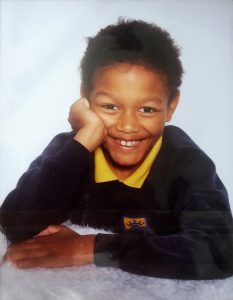
Adela Alberto's sonI just want to tell other parents: don’t be afraid that your child will be labelled if diagnosed with ASD, ADHD, OCD, etc. – this is just the best way you can help your child and get them all the extra support they need. It was a hard decision, but I had to do it and I think I did the right thing. If I hadn’t done it, I don’t think he’d still be at the school he loves with his friends! As my son says:
“I feel much happier now that I’m getting more help and support at school. I am doing a bit better now and looking forward to when my school re-opens.”

And I’m a much happier mum now that I have managed to get my son all that. Good luck to all of you and go for it!

Adela Alberto

Supported by

ALLFIE’s campaign for Inclusive Education as a human right is backed by funders and donors who reject the systemic segregation of Disabled people from society.