Please ensure Javascript is enabled for purposes of website accessibility Skip to main content

Inclusive education during a pandemic: A collaboration between two countries

Dr Victoria Bamsey and Dr Suanne Gibson, lecturers at the University of Plymouth, explore the development, roll-out and impact of a new model of Inclusive Education (IE) practice they co-created in response to the Covid-19 pandemic, and consider what the new tool can add to the international debate.

Listen to: Inclusive education during a pandemic

Introduction

The Covid-19 pandemic has had a significant impact on daily lives for families across the world with many children, particularly those with special educational needs and disabilities (SEND), falling further behind their non-Disabled peers in their learning. National lockdowns and the interruption of traditional education relationships and practices along with the pressures on families to home educate has meant that many children have not been able to access education either in the classroom or at home.

Whilst the option to home educate worked for some, it presented a significant challenge for many and raises a question on the practice of Inclusive Education during the pandemic. The crisis in location of, and resource for, inclusive education provision was further compounded with increasing numbers of young people and families developing  mental health challenges and needs over this period, high levels of which remain.

Inclusive education means all children (Disabled and non-Disabled) receiving their education together as a part of equitable and fair provision. Whilst we know that in certain situations inclusive education may present as individualised, we believe in the need to continue pushing forward for full, fair, effective and free inclusive education for all our learners. This project and the inclusive education tools that developed, emerged from that shared philosophical and political position.

Inclusive Education

For many years inclusive education has been widely debated by policy makers, practitioners, academics and campaigners, dependent on context and time. As a discourse, inclusive education emerged from the international disability rights and other related equality movements in the 1980s and 90s such as the UN Convention on the Rights of the Child. Sources such as the Centre for Studies on Inclusive Education place the emphasis and practice of inclusive education with that of human rights and equality. Where there are barriers preventing the integration of Disabled children within schools, the ideals and policy of inclusion emphasise the need for change. Inclusive education is now key to developments in equal access and social justice for minoritized groups in education and society and in relation to SEND.

Whilst the role of families in inclusive education is core to inclusive provision, such as within English policy, the practice and impact of providing effective and meaningful responses to parental voice and to the development of fair and full provision is debateable and inconsistent. Meanwhile in Malaysia the launch of a ‘Zero Reject’ policy in 2019 has made inclusive education a relatively new phenomenon and for the first time mainstream schools are expected to create an inclusive learning environment for everyone.

Of interest is the focus on education within schools neglecting to consider the education that takes place in homes, communities and during school closures. Many families feel that they have been failed by the education system and this is leading to increasing numbers of families choosing to educate at home.

The pandemic has further exacerbated this trend with national lockdowns in many countries forcing school closures and shifting the role of educator from teacher to parent, and to take on wider social issues. Evidence on a global scale, highlights the negative impact on children’s learning in terms of their friends and thriving.

Despite a family’s desire to support the educational needs of their children at home; capital, working commitments and routines present regular barriers for parents. For many online education during school closures was hindered by infrastructures, with barriers including inaccessibility and unavailability issues and  digital exclusions. These matters have all contributed to international concerns regarding the changing place and impact of inconsistent inclusive education for Disabled learners and their families. The impact of the pandemic and the move to home education brings into question what inclusive education looks like in practice outside of the school gates with families asking: how can we best meet our children’s learning needs? How do we ensure their effective development and success? What tools can be provided for us at this time?

Enabling learning at home (ELaH)

By May 2021 the impact of the pandemic on families with Disabled children in England and Malaysia was significant. In Malaysia children under the age of twelve had been unable to leave their homes, and for several months, parents became responsible for their child’s education at home without the specialist support they had been used to. The support they were able to access varied depending on the educational setting a child attended, their locality and culture. Even where schools provided online lessons or sent home worksheets not all families were able to access learning in this way. In practice the educational disparity gap between the rich and the poor, Non-Disabled and Disabled children widened and in England this was by as much as 36%. The right for Disabled children to have equal access to education is set out in Article 24 of the United Nations Convention on the Rights of Persons with Disabilities (UNCRPD), yet the pandemic brought barriers to education for Disabled children and young people that had not been foreseen and were not addressed in many organisations.

In response to these increasing concerns, researchers in England and Malaysia collaborated to develop a pilot home learning pack for primary school aged children in partnership with educational settings and families. The aim was to make home education accessible for all in a way that complemented any school learning  transferred home, and to support the transition back to school after lock-down.

The project started with a consultation to gain insight into the potential barriers and enablers for home learning, with three educational settings in England and Malaysia, 14 practitioners, 11 parents and 6 children. Of note was the similarity between English and Malaysian responses: a need for easily accessible materials that could be completed at home and that would support children’s development across four broad areas of need:

  1. Communication and language
  2. Social and emotional well being
  3. Physical and sensory needs
  4. Cognition.

Drawing on this baseline evaluation a home learning pack was developed that could be accessed online or via a folder of pdf ‘cards’. The areas of need provided a structure whilst recognising that learning aimed at one area of need would inevitably support a child’s learning in other areas. Everyday materials and activities became an opportunity for learning from socks to kitchen utensils, shopping and cooking. Each activity was carefully designed to consider cultural differences between England and Malaysia (the cat as a favoured pet in Malaysia, avoiding yellow as this was a colour for royalty). In total 18 activities were designed and families were encouraged to choose activities that followed the child’s interests and developmental stage.

After the home learning packs had been trailed a further evaluation highlighted a particular interest in activities supporting social and emotional wellbeing as well as physical and sensory needs. While all of the activities were designed to be fun and engaging those that provided the most enjoyment were the sock puppet activity, tracing game, family tree, playdough and ‘what comes next’; the activities that gave the parents the most confidence in their role as home educator were ‘what is important to me’ and ‘printing with food’.

Whilst this was a pilot project, the home learning pack provided a rich source of activity for children supporting their learning at home with the use of familiar resources. Parents and children felt more confident and empowered in their learning, able to recognise what they could do rather than what they could not. Home learning became playful, enjoyable and above all accessible providing a bridge between learning at home and learning in school.

Shifting the landscape of inclusive education

This collaboration between colleagues and families in England and Malaysia adds to the growing academic field of inclusive education in exploring educational choice, user empowerment and what this means for families, practitioners and policy. The pandemic has raised an important issue for inclusive education that extends beyond the classroom to include the community and the family home. Families that are not able to access school still have a right to an equitable education, and to uphold their right educationalists need to reach out beyond the school gate. This home learning project has highlighted the importance of empowering parents and children in their learning at home, the need to value the knowledge acquired outside of school in spaces and places not traditionally thought of as educational. It is only by doing this that we can begin to make all education inclusive for all children.
Listen to: ‘Capacity Building DPOs: Inclusion Champions Report’

This Inclusion Champions project report is an important resource for building capacity in Disabled Peoples’ Organisations (DPOs), as well as the wider inclusion movement. It addresses campaigning for Inclusive Education as a human right and social justice issue, in line with ALLFIE’s SEND Review consultation and submission, as outlined by our Chairperson (on page 10).

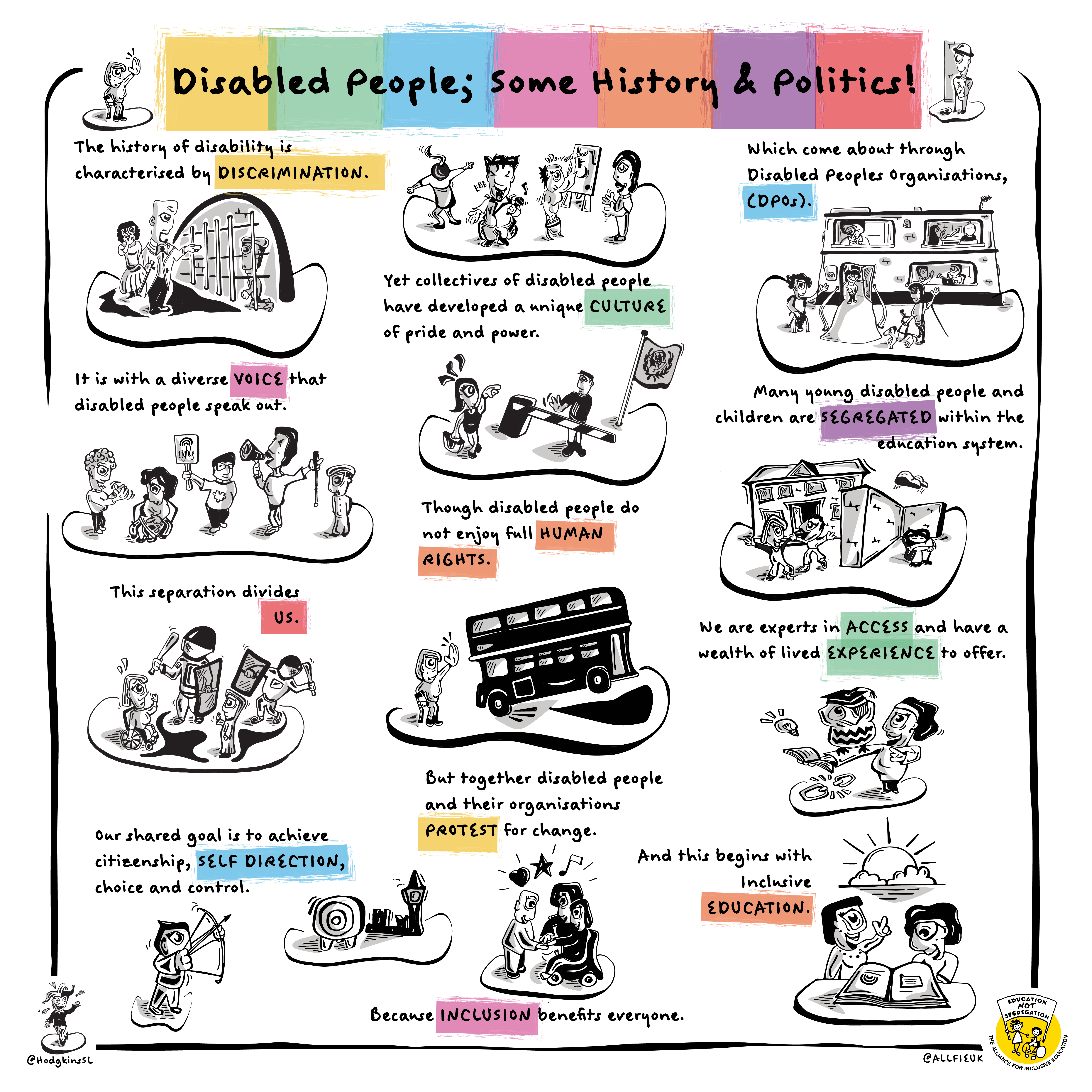

Disabled People; Some History and Politics, by Steven Hodgkins


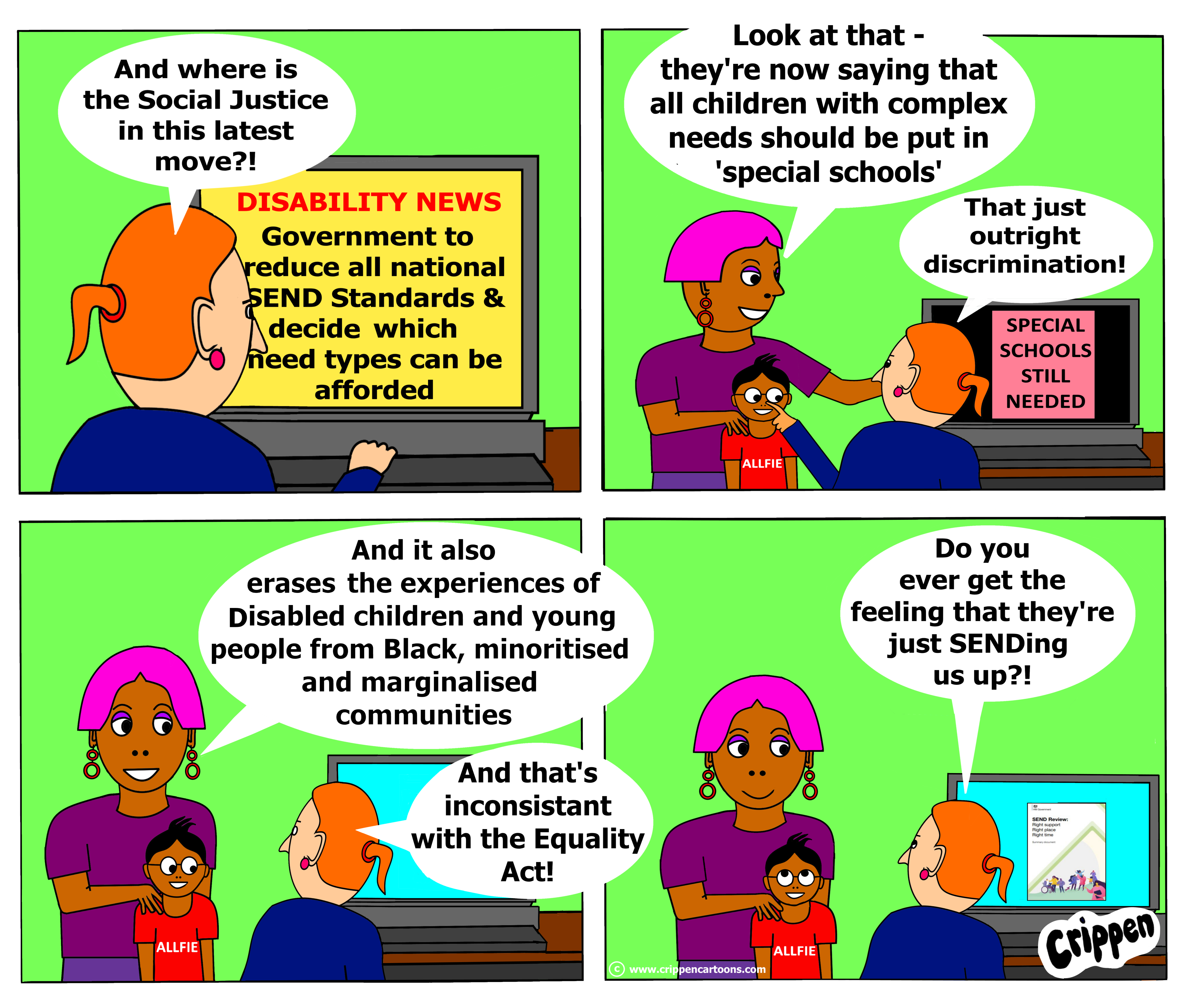
SENDing us up?

SEND Review CRIPPEN cartoon, by Dave Lupton

Listen to: ‘SENDing us up’

Crippen SEND Review cartoon: part 2

Listen to ‘Legal Question’

“I am a Disabled student and have Autism Spectrum Disorder (ASD). I’m currently studying a Bachelors’ Degree in Business Studies. For the Business Development module, myself and fellow students must form teams to develop a feasibility study for a chosen business idea. I find working in groups very distressful and unbearable, so have asked my university for a disability related reasonable adjustment – to be allowed to submit my feasibility study as a sole trader as this is the type of business I want to run. What is my legal position?”

The duty to make reasonable adjustments requires education providers, such as the University at which you are undertaking the course, to take positive steps to ensure that Disabled students can fully participate in the education and enjoy the other benefits, facilities and services provided for the students.

Section 20 (3) Equalities Act 2010 sets out a requirement, “where a provision, criterion or practice of the University puts a Disabled person at a substantial disadvantage in relation to a relevant matter in comparison with persons who are not Disabled, to take such steps as it is reasonable to have to take to avoid the disadvantage”. In this situation, the argument would be that the provision to work in a team to partake in the feasibility study would place a student with a diagnosis of autism, who feels distress at working in groups as a result of this, at a substantial disadvantage in comparison to students who do not have this impairment. This would appear to be a clear disadvantage caused to the Disabled student.

Where the duty to make reasonable adjustments arises, the University cannot justify a failure to make a reasonable adjustment. However, the law does place specific restrictions on the duty in relation to further and higher education institutions, such as the University, and maintained schools providing further education. One such restriction arises where the matter involves a competence standard, which is an academic, medical, or other standard applied for the purpose of determining whether or not a person has a particular level of competence or ability. This would include an assessment to examine whether you have obtained the relevant skills from your course, such as an examination or a case study. The University will not be required to make any reasonable adjustments to the application of a competence standard.

Whether the competence standard would apply in this scenario depends on the skills which the study is designed to assess. The requirement that the study is completed in a group would not be a competence standard unless the competence being tested includes the ability to work in a team. You would also need to consider whether the specifications of the study exclude sole-trader business, as it could be a competence standard if the purpose is to assess understanding of other types of businesses.

If the skills being assessed amount to a competence standard and you must complete the study as part of a group, the University will still be subject to the duty to make reasonable adjustments to the process by which the competence is assessed. Therefore, it would need to consider whether or not a reasonable adjustment could be made to some aspect of the study to accommodate the distress experienced by working in a group, without removing the requirement to work as a team. For example, this may include allowing contributions to take place remotely rather than in-person, if this would reduce distress caused.

Simpson Millar Solicitors.

Inclusion Now 63 | Summer 2022

Welcome to the latest edition of Inclusion Now, inclusive education news including: SEND Review findings; Additional Learning Support in college; Covid-19 inclusive practice; Capacity building Disabled People’s Organisations + more

Welcome to the 63rd edition of Inclusion Now magazine. Text and audio versions are in the articles below, or you can read it in magazine format on Issuu.

To receive three issues of Inclusion Now a year, on the publication date, you can subscribe here. Subscribing supports our work and helps us plan for the future.

Inclusion Now is produced in collaboration with ALLFIEWorld of Inclusion and Inclusive Solutions

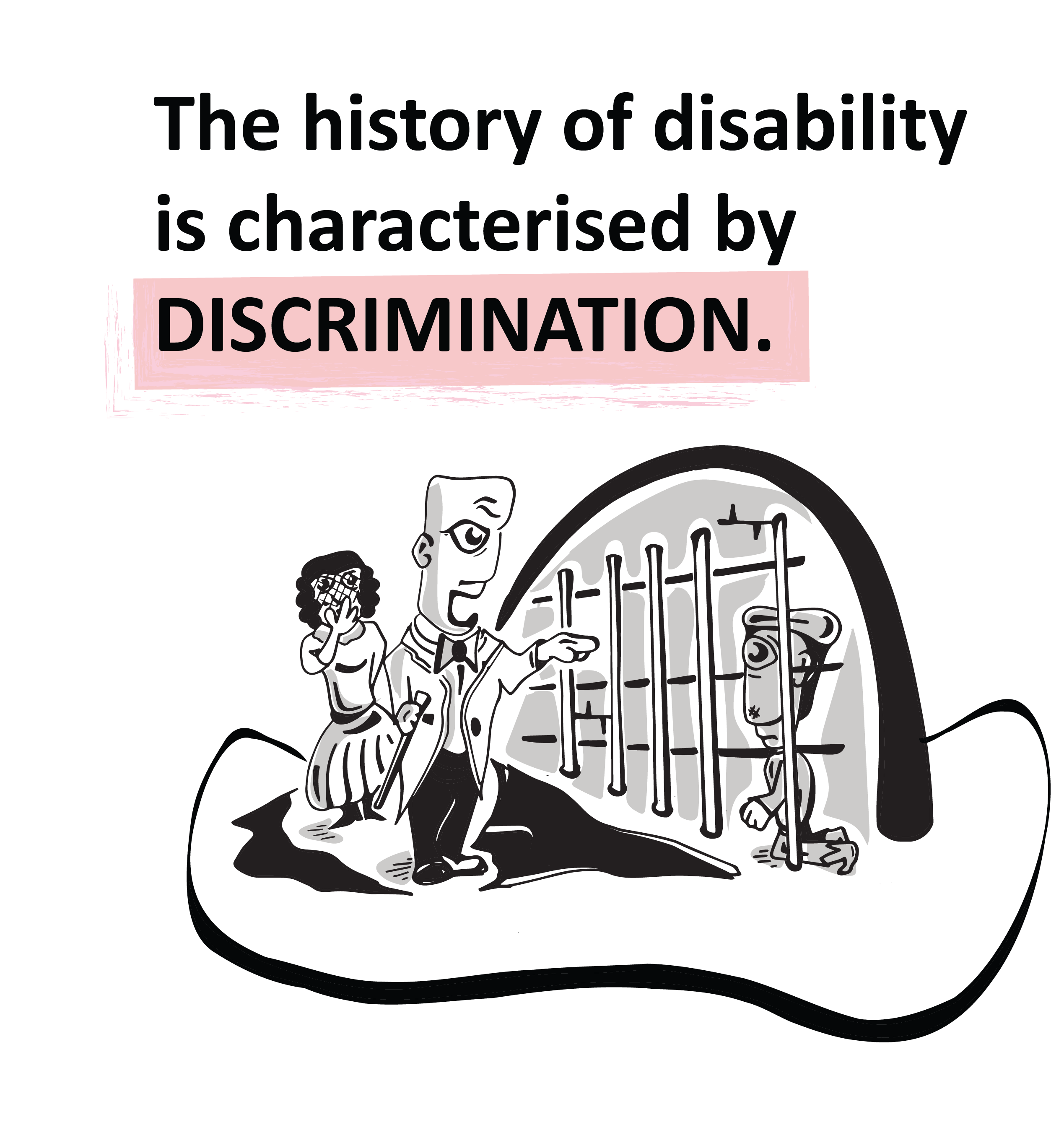
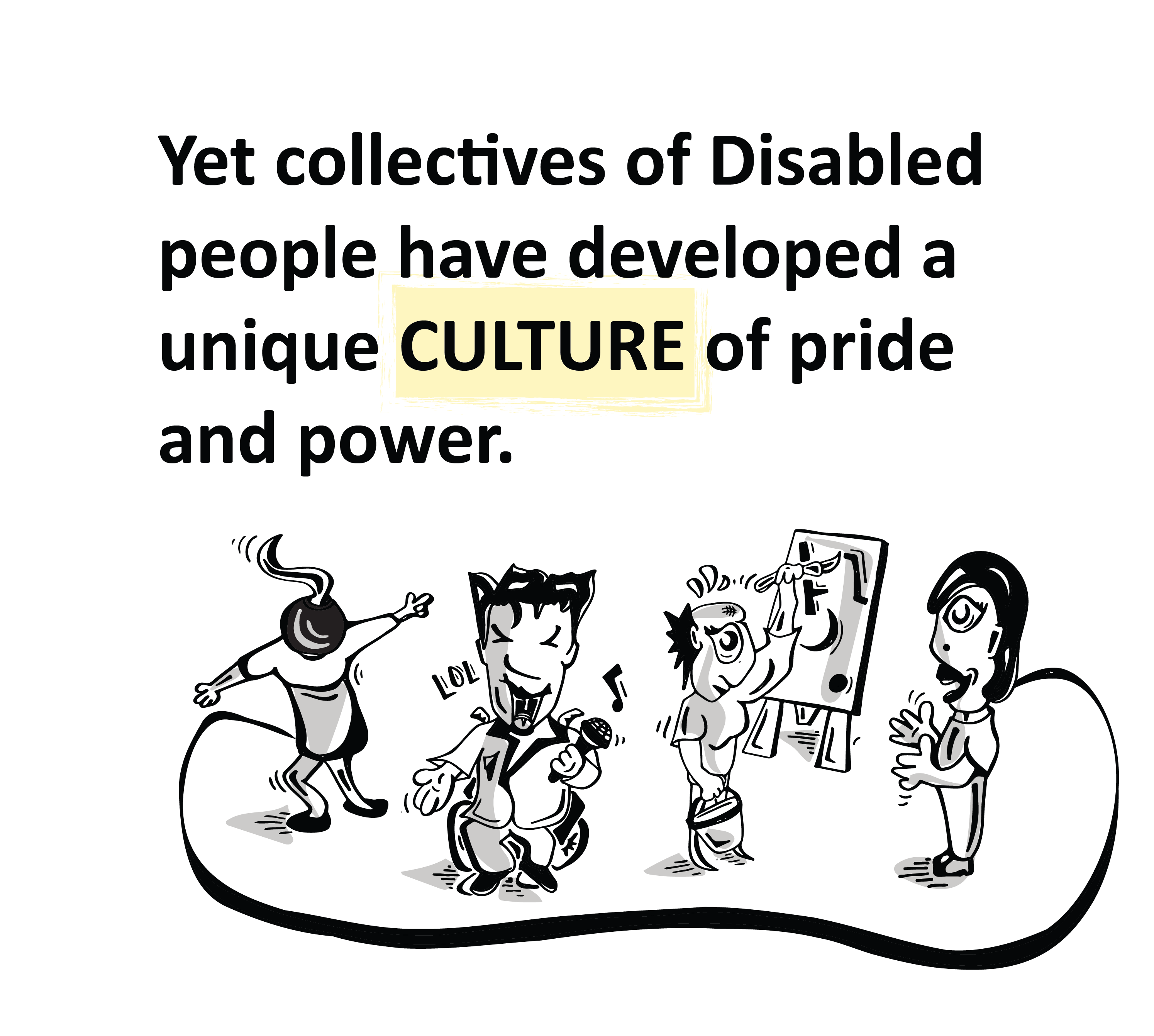
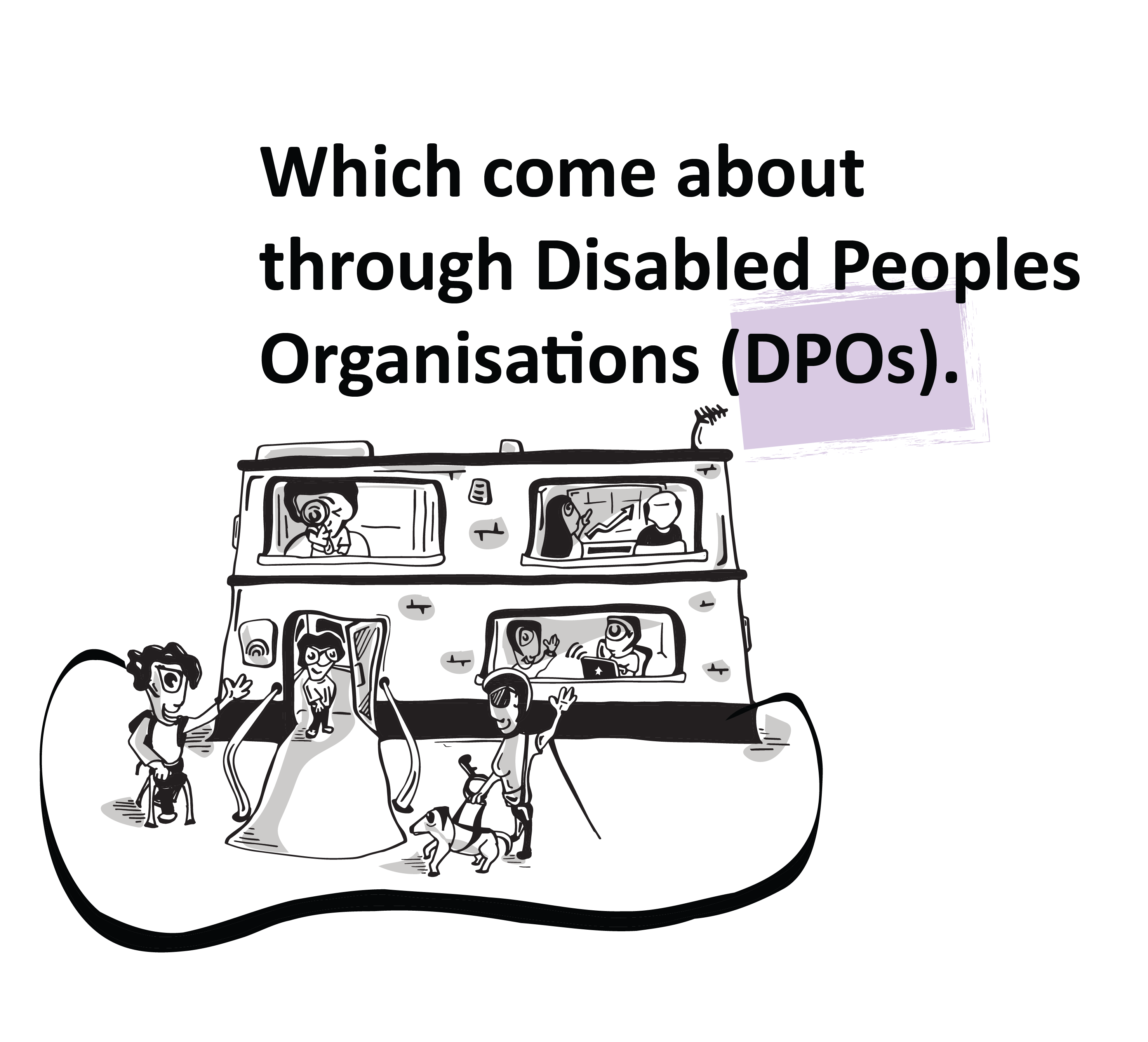
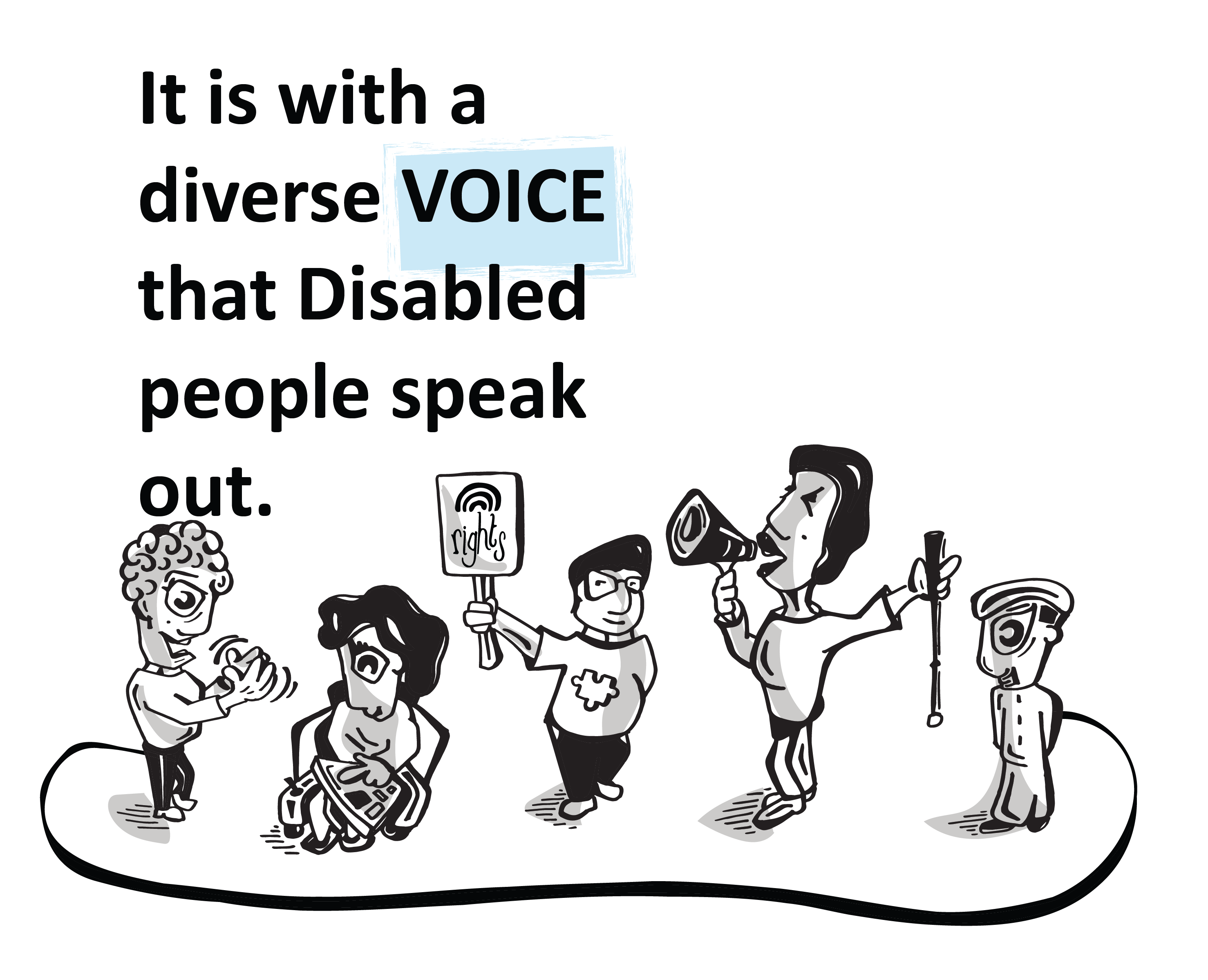
Text box: Disabled People; Some History and Politics

Text box: Disabled People; Some History and Politics Text box: And this begins with Inclusive Education

SEND Review Consultation Guide: What to include in your response

ALLFIE’s latest SEND Review campaign briefing includes a useful guide for answering the Government consultation survey.

1. Background

Accessible versions of the green paper:

2. What you can do: Responding to the Government consultation

We need your assistance to help ALLFIE make the strongest case for why and how the SEND system must change, to recognize and realize Disabled children and Young peoples’ rights to inclusive education. The Department for Education (DfE) needs to hear from you about the impact the proposed SEND reforms will have for Disabled children and Young people’s right to inclusive education. We encourage our Members to submit their own response to the Government’s SEND Green Paper consultation survey.

We recognise that answering all 22 questions or selecting which questions you should answer in the SEND Review Green Paper may be a daunting task. We hope we have made this task easier to do by providing a suggested list of questions and areas to cover in your answers. Please feel free to answer one or more questions. If possible, it’s helpful if you can draw upon your personal experience and ideas as a Disabled student/person, parent, education practitioner, or in another professional capacity. As discussed in our members’ briefing for this SEND Review Green Paper, we ask that any responses focus on the following areas:

Question 1: What key factors should be considered when developing national standards to ensure they deliver improved outcomes and experiences for children and young people with SEND and their families? This includes how the standards apply across education, health, and care in a 0-25 system.

Focusing on Chapter 2 on the Green Paper, this question allows you to tell the Department for Education why a list of appropriate placements for disabled children and young people with different needs is wrong and will increase disability discrimination in education. Instead, what is needed are National Inclusive Education standards so that all children and young people can be included within mainstream educational settings. Some suggested areas to cover within your answer are:

  1. Personal experiences of Disabled children and Young people being sent to a specific school or college just because they are said to be good by the local authority.
  2. Any incidences where you believe Disabled learners are being sent to a special school or specialist college on disability-related grounds by the local authority.
  3. What is needed are national inclusive education standards covering all aspects of the SEND framework.
  4. The need for a legal right for all Disabled children and young people to be included within mainstream education settings, as well as the need to end segregated education.
  5. Inclusive education standards need to include a definition of inclusive education practice.

Question 4: What components of the EHCP should we consider reviewing or amending as we move to a standardised and digitised version?

Again, focusing on Chapter 2 of the Green Paper, this question allows you to tell the Department for Education how EHCAs and EHCPs can be improved so that they can be used to support disabled children and young people within mainstream education settings. Some suggested areas to cover within your answer are:

  1. The EHCA and EHCP formats must be accessible and inclusive of Disabled children and young people.
  2. The EHCAs should be carried out independently from the local authority responsible for the funding and arrangement of SEND provision/school placement.
  3. EHCAs and EHCPs must be underpinned by the social model of disability to remove ableist barriers and intersectionality (around your gender, race, etc)
  4. Identify not only the needs, but also the barriers and solutions needed to support the Disabled child/young person within a mainstream education setting.
  5. Cover all aspects of the school/college student experience such as friendships, extra-curricular activities, residential and day trips, and the like.
  6. Clear roles on who is legally responsible for the funding of the provision set out in the plan.

Question 12: What more can be done by employers, providers, and government to ensure that those young people with SEND can access, participate in, and be supported to achieve an apprenticeship, including through access routes like traineeships?

Focusing on Chapter 3 of the Green Paper, this question allows you to tell the Department for Education whether the focus should be on providing inclusive apprenticeships from the outset. The apprenticeship schemes should be flexible enough to accommodate any reasonable adjustments needed in performing the job role and undertaking the course (including curriculum differentiation) and assessment arrangements. Apprenticeships provide more choices and broader opportunities on completion than traineeships and internships. Some suggested areas to cover within your answer are:

  1. Experience and ideas on how to make the apprenticeships more inclusive of Disabled apprentices. Consider work experience, entry requirements, the interview process, and the like.
  2. Experience of internships and traineeships leading to or not leading to apprenticeship placement offers.
  3. Access to mainstream courses which allow Disabled young people to enter higher education, apprenticeships, or other life-long learning.

Question 15: To what extent do you agree or disagree that introducing a bespoke alternative provision performance framework, based on these five outcomes (effective outreach support, improved attendance, reintegration, academic attainment and successful post-16 transitions), will improve the quality of alternative provision?

Focusing on Chapter 4 of the Green Paper, this question allows you to tell the Department for Education that alternative provision such as Pupil Referral Units, Hospital Schools and Alternative Provision schools are just other forms of segregated education where Disabled children and young people leave with poorer outcomes than their non-disabled peers.   Some suggested areas to cover within your answer are:

  1. Impact of being in alternative provision as a result of being moved out of mainstream education for whatever reason.
  2. From your experience, why alternative provision is no different from segregated education.
  3. Rather than having Alternative education, what should schools be expected to do with what kind of support for Disabled children and young people at risk of exclusion?

Question 17: What are the key metrics we should capture and use to measure local and national performance? Please explain why you have selected these.

Relating to Chapter 5 of the Green Paper, this question allows you to tell the Department for Education which key measures should be used to assess the quality of inclusive education provision. Some suggested areas to cover within your answer are:

  1. Policies and procedures are underpinned by the social model of disability and the principles of inclusive education.
  2. Evidence of the inclusivity of lessons, break-times, and extra-curricular and residential/day trips.
  3. Evidence of the quality of relationships between teachers and Disabled students, Disabled and non-disabled students, and between Disabled students themselves.
  4. Evidence of representation of Disabled students in democracy and roles of responsibility (school council, head ** MD pupil).
  5. Evidence of Disabled students’ progress and wellbeing
  6. Evidence of reflecting and learning from experience to create stronger inclusive education practices.

Question 18: How can we best develop a national framework for funding bands and tariffs to achieve our objectives and mitigate unintended consequences and risks?

Again, referring to Chapter 5 of the Green Paper, this question allows you to tell the Department for Education the barriers that funding policies create and how they prevent Disabled students from being supported in mainstream placements. Some suggested areas to cover within your answer are:

Question 22: Is there anything else you would like to say about the proposals in the Green Paper?

This question allows you to tell the Department for Education what key proposals are missing that will support Disabled children and young people’s rights to inclusive education. Some suggested areas to cover with your answer are:

  1. Reconsider the purpose of education, to develop an inclusive society that welcomes all Disabled people.
  2. How the rights of Disabled people are being discarded, particularly those outlined in UNCRPD Article 24.
  3. How there is no definition of inclusive education.
  4. How intersectional experiences are not covered by the paper.
  5. How there is no reference to the implementation of the UNCRPD (on inclusive education) Monitoring Committee’s recommendations
  6. How there is no recognition of increasing respite services is a form of segregated provision that breaks a family setting.
  7. How none of the principles of the social model of disability were included to recognise the removal of disabling barriers
  8. How there is no reference to making inclusive education mandatory part of teacher training
  9. How there is no reference that segregated education needs to end if the Government wants increasing numbers of Disabled children and young people in mainstream education.

More information

ALLFIE’s SEND Review campaign homepage

Background
In September 2019, the Government announced a review of the effectiveness of the current system of SEND support. As a result of the review, a Green Paper, ‘SEND review: right support, right place, right time’, consulting on reforms, was published in March 2022. This includes the Government’s plans to create new national SEND standards, to create consistency in provision across England. The paper stated the Government plans to bring forward legislation to place the standards on a statutory footing for the early years and education sectors, covering ages 0-25.

The consultation on the Green Paper is open until 22 July 2022, with a national SEND delivery plan expected later in the year.

Government’s SEND Review Green Paper consultation: ALLFIE’s perspective

By Simone Aspis, Campaigns and Policy Coordinator, Alliance for Inclusive Education (ALLFIE)

What is the consultation ‘Right Support, Right Place and Right Time’ about?

The Government consultation covers the following areas:

What’s included in the Government proposals?

At the heart of government proposals, the creation of national SEND standards covers all aspects of the SEND framework from early years to further education, including for alternative provision settings. This sits alongside strengthening the accountability and monitoring role of local authorities and multi-academy trusts.

The national SEND and alternative provision standards will broadly cover:

  1. SEND provision and placement decision making processes, with the aim of ensuring that Disabled children with the same needs will be catered for within the same type of education setting regardless of residence. Whilst the Government has not indicated which needs can and should be catered for within mainstream education settings, special schools have nevertheless been suggested for children with complex needs. Local authorities will be required to publish a local inclusion plan, including a list of the available schools and post-16 education providers that can meet the specific needs of Disabled children and Young people.
  2. Statutory education, health and care needs assessments, and planning processes, including dispute resolution and redress, will be streamlined. Statutory multi-agency panels will recommend EHC needs assessments, plans, and appropriate placements in line with the SEND national standards; the local authority must take the latter into account before making a final decision. Whilst parents will still be allowed to state a preference for another school, both local authorities and tribunals will still be required to consider placement decisions in line with SEND standards.
  3. A SEND funding banding and tariff system will be introduced and used to allocate funding for the level and type of SEND provision being offered by individual schools. Clusters of specified types of schools catering for specific needs will fall into different funding bands. The tariff will be the capped price that an education provider can charge for service delivery paid for by the local authority. A special school with a high pupil to staff ratio and that provides a broad range of therapy services onsite is more likely to be in a higher funding band category than a mainstream school providing SEND support.

The Green Paper proposals need to be considered within the context of the Government’s existing education policy and spending commitments.

Over the past decade, the Government’s relentless focus on educational standards, pupils’ academic attainment, and school discipline alongside mainstream school and SEND budget cuts has forced many Disabled children into segregated education provision against their wishes. The only specified spending proposals have been committed to the expansion of segregated education including alternative provision.

What is ALLFIE’s stance on the SEND Green Paper?

ALLFIE believes:

  1. The SEND Green Paper proposals constitute a clear and continued violation of Disabled people’s human rights to mainstream education, as set out in UNCRPD Article 24 (on inclusive education). The intention behind the proposals is to reduce the spending on SEND provision for Disabled children and Young people in education settings.
  2. National SEND standards, in which Government/local authorities decide which need types can be afforded and catered for within mainstream education settings, go against any sense of social justice.
  3. The suggestion that Disabled children with complex needs should be placed in a special school is outright disability discrimination, prohibited under the Equality Act in the UK, and incompatible with United Nations Convention (UNCRPD), Article 24 (on inclusive education).
  4. High numbers of Disabled children and Young people from Black and marginalised communities, as well as those living in under-resourced areas, will experience further intersectional discrimination as a result of expanding segregated education. Mass segregation on disability grounds will increase trauma, harm and create further discrimination.

What’s next? How to respond to the SEND Green Paper review

ALLFIE SEND Review Consultation flyer with the slogan: 'Education Not Segregation'ALLFIE is researching evidence to submit a considered response to the Government consultation, on behalf of Disabled people and their allies. We need your help to gather evidence on what does and does not work within the current SEND framework, in upholding rights to inclusive education:

Case studies: What to include

We want to hear how your experiences of the following impact on inclusive education:

Further reading

We have published a number of briefings providing more detail on ALLFIE’s campaign and how to get involved in our work

Please complete and share ALLFIE’s SEND Review survey

The SEND Review: Wrong Support, Wrong Place, Wrong Time.

By Richard Rieser, World of Inclusion

Published almost 3 years since its first announcement, this distinctly underwhelming report, which is linked to the Schools White Paper, is highly ideological. In fact, a better title for it might be ‘Wrong Support, Wrong Place and Wrong Time’.

The Government is wedded to ‘Good Multi Academy Trusts’ and ‘Excellent Teachers’ in a bid to level up GCSEs (4 to 5) and aim for KS2s achievement targets of 65% to 90% by 2030. This is the wrong solution and the wrong target! The Tory think tank brought in to advise them, The Education Endowment Foundation, which produces non-peer reviewed, suspect research, will further displace University Education Departments. Certainly, there are some small improvements including possible national standards of provision and Early Years improvements. Yet there is no coherent Professional Development for all Staff.

The Green Paper acknowledges that mainstream schools are more inclusive environments but does not mention what this requires, as defined by the UN CRPD Committee Gen. Comment No4 Para. 11 (on inclusive education).

“Inclusion involves a process of systemic reform embodying changes and modifications in content, teaching methods, approaches, structures, and strategies in education to overcome barriers with a vision serving to provide all students of the relevant age range with an equitable and participatory learning experience and environment that best corresponds to their requirements and preferences. Placing students with disabilities within mainstream classes without accompanying structural changes to, for example, organisation, curriculum and teaching and learning strategies, does not constitute inclusion. Furthermore, integration does not automatically guarantee the transition from segregation to inclusion”.

The right to inclusive education starts with identifying and resolving barriers to Disabled students. The Green Paper shows no understanding of this basic principle despite exhorting schools and teachers to be more inclusive.

The knowledge based, proscriptive and narrowed curriculum provides no assessment system with added value. It also marketizes standard testing and increases widening gaps in achievement, exclusion and mental health issues for staff and pupils.

There is evidence that Academies fail students labelled with SEND by excluding more, identifying less and reducing the proportion of their students with SEND compared to community schools.

Local Authorities who have statutory responsibility for all Disabled pupils/students and students with SEN must be held accountable. This is the only fair way to get the right support to every Disabled student.

The amendment below, written by the author, was carried as part of an urgency motion on the White Paper at the National Education Unions 2022 Easter Conference. It forms a good basis to organise.

“The conference further notes that the SEND Green Paper does not relate to Right support or Right place. It has little relation to supporting schools or meeting the needs of Young people with SEND.”

The Union feels that an inclusive education system must make changes to the wider framework that schools operate in. This includes; the rigid and narrow mainstream curriculum, behaviour policies and ignoring diversity and difference. School accountability measures, particularly Progress 8, are not set up to recognise the progress of children with SEND and they end up penalising inclusive schools.

The union commits to building a broad-based campaign on these issues and to achieving a system which promotes inclusion with adequate funding and career-long staff training. This would produce a person-centred approach, allowing every Young person’s achievements to count.

Based on various amendments, the conference instructs the Executive to:

  1. a) Reject Standard Funding Bands.
  2. b) Make mandatory Local Authority specialist teacher teams.
  3. c) Anticipate reasonable adjustments for Disabled students.
  4. d) Ring fence funding for those on SEN school support.
  5. d) Co-operate locally with parents/carers and schools to determine funding.

Louise Arnold and Debbie Kilbride, Senior Lecturers at the University of East London

This article responds to the SEND and alternative provision Green Paper 2022 and seeks to explore how replacing the National Award for SEN Co-ordination (NASENCo) with the National Professional Qualification (NPQ) would impact Disabled children and Young people and their place within mainstream school. 

Expanding this notion further, the subsequent Green Paper: SEND review: right support, right place, right time (Department for Education, 2022), specifically, Chapter 3 outlines the critical nature of the role of the SENCo and proposes the introduction of a new Leadership SENCo NPQ, replacing the current NASENCo (Department for Education, 2022 p.44).

First and foremost, the NASENCo has been successfully running with the current outcomes since 2014, with our collaborative group of partners ensuring continuity of training and quality. If the current Level 7 mandate for SENCO training is removed, there is a risk of losing the unique capacity of the Provider Partnership, including insight into research and collaborative sharing of NASENCO student practice.  In addition, the White and Green Papers have identified failures within the current education system and the way it supports Disabled children and Young people, and it is necessary for this to present the fact that evaluations from current SENCo providers identify success/strength in current NASENCo training. The implication is that SENCo training is not working. However, SENCos are trained to be strategic leaders of SEND. In most cases it is the school and the way the education system is structured and funded that is stopping them from effectively supporting children, Young people and their families.

Over the seven years that I’ve been the Course Leader for the NASENCo at UEL, time and again, and more noticeably in recent years, is the ongoing issue that we discuss in every session: SENCos do not have protected time to carry out their SENCo role as effectively as they would like.  They can be juggling a variety of roles including the demands of being not only a class teacher but also assistant or deputy head, designated safeguarding lead, subject lead, as well as SENCo; sometimes more!

Building on this, Curran et al’s (2018) key findings outlined very clearly the ways in which the SENCo role should be developed with a recommendation to prioritise statutory, protected time for the SENCo to effectively carry out their duties.  In addition, it was recommended that the role of the SENCo should be regarded as strategic and senior with specific guidance as to how the role is executed.  Their findings and recommendations are echoed across the research field in this area and yet we still find ourselves with an education system that is not functioning adequately; with variation in outcomes for Disabled children and Young people across the UK and increasing numbers of Education, Health and Care Plans being granted (OFSTED, 2021). The increase in EHCPs points to an increase in schools not able to meet the needs of the children who attend them, but instead of questioning the right of children to attend mainstream schools, focus should be shifted to how all children and Young people can be supported to realise their right to inclusive education. When professionals do not have protected time to carry out their role despite increasing demand for their input, it is the children and Young people who experience the effects; OFSTED found between 2016 and 2020 a lack of co-production and joint commissioning, and poor quality EHCPs, in addition to issues with identifying and assessing need (OFSTED, 2021).

Therefore, the Green Paper’s recommendation that SENCos are given protected time as well as dedicated support in order to reduce administrative burdens is welcomed and yet it is difficult to see how this would come into being.

Further to this discussion, Middleton and Kay (2021) identified recently that SENCos who are indeed members of the senior leadership team were more successful in enacting their roles.  However, this is not currently mandated in legislation and remains inconsistent with the reasoning behind the new Leadership SENCo NPQ which states that:

“the NPQ would help improve SENCos’ leadership expertise, making them well-placed to sit on a senior leadership team and inform the strategic direction of a setting.” (Department for Education, 2022, p.44).

Perhaps as a result of the current consultation period we will finally move closer to this realisation and SENCos will find themselves on the leadership pay scale, as a member of the senior leadership team, with the ability to influence decisions and direction in the setting.

Relating this to the NASENCo, where the Green Paper (Department for Education, 2022, p.44) identifies that the new NPQ qualification will strengthen leadership training of SENCos, it’s essential to understand that leadership is already a crucial part of current training. The revised Learning Outcomes, commissioned by the DfE and received in 2020 have placed a strong emphasis on leadership and offer a clear route for improving the nature of the NASENCO.

However, where it is stated that: “there is variability in terms of SENCo’s experience of the NASENCo and whether it provides the knowledge and skills needed for the role” (Department for Education, 2022, p.44) is the point at which there is contention.

But where is this evidence? Being the course leader for the NASENCo at UEL, an increasing number of NASENCO students are aspirant SENCOs and other teaching staff, thus transferring SEND knowledge and skills throughout school. The current providers work together as a collective basing all courses on the National Learning Outcomes. The Quality Standard for NASENCO providers ensures the quality of each individual training and the collaborative way of working ensures national consistency in the award.

Conclusion

So where are we now?  Even with the inclusive SENCo, with the inclusive attitude they alone cannot lead on inclusive practice if the system within which they work hinders their progress every step of the way.  Make them a senior leader, give them strategic influence, and watch them soar!  They cannot exist in isolation, it is not a role that can be enacted in this way.  They need to be part of a fully functioning leadership team which holds inclusive practice as a core principle and distributes accountability for inclusion across all members of the school community.

I want to celebrate the SENCos that I’ve taught and that I’m yet to teach, as they are on the frontline of navigating these broken systems and time and again, they champion the pupils in their settings, never giving up and never letting go, despite a system in crisis.

A change in course title will not necessarily amount to a change in practice; the issue is broader in nature and needs to encompass and embrace the idea that was so central to the current SEND Code of Practice 2015; that all teachers are teachers of SEND.  Until we truly take this on board and embed inclusive knowledge and skills in our teacher training and lifelong Continuing Professional Development (CPD), which SENCos can enact if they are given the time and space to do so, we will make little progress in an area so ready for change.

Conclusively, it is central to the discussion to recognise that this reform is not presenting a comprehensive definition of inclusive education, nor does it recognise the centrality of Disabled people’s experiences.  Furthermore, there is no mention of the United Nations Convention on the Rights of Persons with Disabilities (UNCRPD) which in turn directly ignores Disabled children and Young people’s education as a human right.  The proposals continue to focus on supporting segregated education and this will impact the ways in which practitioners work together.  In order to reduce silo practices, inclusive education must be promoted so that barriers of collaboration can be diminished.

Supported by

ALLFIE’s campaign for Inclusive Education as a human right is backed by funders and donors who reject the systemic segregation of Disabled people from society.